
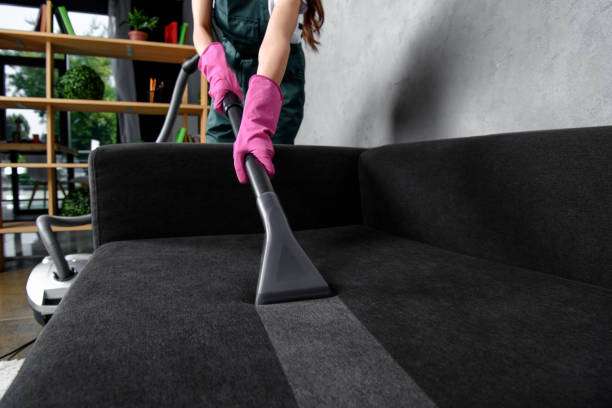
If you have ever stood in a supermarket aisle staring at one of those carpet cleaning machines in a box, you have probably had the same thought most of us do.
This is going to save me a fortune.
And to be fair, sometimes it does. Sometimes those machines are exactly what you need. But there is a lot that does not get said on the packaging, and it matters. A lot.
Because supermarket carpet cleaners and professional carpet cleaning equipment are not really aiming at the same job, even if they both use the same words like deep clean, stain removal, and powerful suction.
They are solving different problems, at different scales, with very different constraints.
Let’s talk about what the difference actually is. Not the marketing version. The real, annoying, practical difference that shows up when you are on your knees at 9pm trying to get a wet patch to dry.
What supermarket machines are designed to do
Supermarket and DIY machines are built for a few things:
They need to be affordable. They need to be safe for someone who has never used one before. They need to be light enough to carry, store, and push around a living room. And they need to work well enough, quickly enough, that you feel like it was worth buying or hiring one.
So they are generally made to handle:
- Light to moderate soiling
- Fresh spills or small stained areas
- Routine maintenance cleaning in low traffic homes
- Quick refreshes before guests, moving out, or after a pet incident
And there is nothing wrong with that. If your carpet is in decent condition and you just want to lift some grey-ness out of a hallway or deal with a drink spill, a supermarket machine can do a respectable job.
But. The ceiling is low. You hit the limit fast.
This is where professional carpet cleaning services come into play. Unlike the supermarket machines which have limitations, professional services can handle heavy-duty cleaning tasks. They are equipped with advanced tools and expertise that allow them to tackle deep stains and extensive soiling effectively.
Moreover, it’s crucial to be aware of potential carpet cleaning scams that may arise when seeking professional help. Therefore, conducting thorough research and possibly even requesting a free carpet cleaning survey from reputable companies could prove beneficial.
In areas like Southend Sea where commercial spaces require regular upkeep of carpets due to high foot traffic, opting for commercial carpet cleaning services is often the best solution.
What professional equipment is designed to do
Professional carpet cleaning equipment is designed with a different reality in mind.
A professional cleaner is cleaning carpets every day, often in homes that have not been cleaned properly in years. They deal with heavy foot traffic, layered-in oily soil, pet odours that have soaked through, previous DIY attempts that left detergent residue, and stains that have chemically bonded to fibres.
So professional gear is built to do things like:
- Flush out deep, bonded soil and rinse it away
- Recover far more water, leaving carpets much drier
- Maintain consistent heat, pressure, and suction for long periods
- Handle different fibre types safely without guesswork
- Apply chemistry accurately, then actually remove it, not just spread it
It is not just more powerful for the sake of it. It is built to remove, not just improve the appearance.
That sounds dramatic, but it is the heart of it.
The biggest difference is not what you think. It is water recovery
Most people fixate on brushing and the cleaning solution. That is the fun part. Foam, smell, the visible dirty water tank. Feels satisfying.
But the biggest real-world difference between DIY machines and professional systems is water recovery. Suction. Extraction. How much of the water you put down actually gets pulled back up.
Supermarket machines typically leave a lot more moisture behind. Even the decent ones. Especially if you do more than one wet pass, or you go slow, or you add extra solution because you want “a deeper clean”. That leftover moisture is what causes:
- Long drying times, sometimes 12 to 24 hours or more
- Wicking, where a stain seems to disappear then comes back as it dries
- Musty smells a day later
- Risk of mould in underlay in worst cases
- That slightly crunchy feel because detergent stays in the pile
Professional extraction machines, used properly, recover a much higher percentage of moisture. That means faster drying, less wicking, and less residue.
And drying time is not just comfort. It is a quality indicator. If a carpet takes ages to dry, it usually means too much water was left behind, and with it, soil and detergent.
This highlights why spring cleaning carpets should be left to professionals who have access to such advanced equipment and understand how to use them effectively. They clean carpets and upholstery the professional way, ensuring a thorough clean without the common pitfalls associated with DIY methods.
Heat and rinse power. The part the boxes do not explain
Many professional methods, especially hot water extraction, rely on heat staying consistent throughout the clean. Heat helps break down oily soils and makes certain detergents work the way they are meant to.
Supermarket machines might spray warm water for a short time, but they rarely maintain high, stable heat. Some are basically using lukewarm water by the time you have done a couple of rooms. And if you fill it with water that is too hot, you risk damaging the machine or triggering safety cut-offs.
Then there is rinse pressure, which is the ability to push water through the carpet pile and then pull it back out. DIY units often have low spray pressure and weaker vacuum motors. You end up doing more passes, more scrubbing, more water, more time.
It can still look cleaner. But you are often leaving behind a mix of loosened soil and detergent.
Professional gear is designed to rinse properly. That is the key word. Rinse, not just wash.
The chemistry problem. Overuse, residue, and the “it gets dirty faster now” complaint
Here is the cycle loads of people fall into:
- Carpet looks tired or stained.
- They hire or buy a supermarket cleaner.
- They add a bit extra solution because the carpet is “really dirty”.
- The carpet looks better for a week or two.
- Then it looks worse again, sometimes worse than before.
And they assume the machine did not work or that the carpet is beyond saving.
What often happened is residue. Too much detergent left in the fibres creates a sticky film that attracts soil. So the carpet resoils quickly and can also feel stiff or tacky.
Professional cleaners obsess about this not because they are fussy, but because it affects results and callbacks. A professional rinse, sometimes with an acidic rinse to neutralise, is part of preventing that residue problem.
With DIY machines, it is very easy to under-rinse. You might think you rinsed because you did extra wet passes but unless the machine has strong recovery and you’re using plain water in a proper rinse cycle, you can still leave plenty behind.
Also, supermarket solutions are designed to be broadly safe and simple but they are not always tailored to specific issues like protein stains, tannins, urine salts, grease or dye transfer. Professionals will often use different products for different stains and crucially know when not to use a product at all.
For those who find themselves in such situations with their carpets looking tired or stained, it’s worth considering professional carpet cleaning services such as those offered in Southend-on-Sea or Leigh-on-Sea. These services utilise advanced techniques such as hot water extraction that ensure consistent heat throughout the cleaning process and effective rinsing that leaves no residue behind.
Moreover, when choosing between buying or hiring a carpet cleaner from a supermarket versus opting for professional help, it’s essential to understand how to choose a carpet cleaner that suits your needs best.
Stains vs. Soiling: Understanding the Difference in Carpet Cleaning
A lot of what we refer to as “carpet cleaning” is actually focused on stain removal. However, general soiling and stain removal are two distinct aspects of carpet maintenance.
General soiling is relatively straightforward, but stain removal often presents challenges, especially for DIY enthusiasts.
Some stains respond well to a DIY clean:
- Mud tracked in
- Light food spills
- Some drink spills if treated quickly
- General grey traffic lanes that are not too old
However, older stains, pet accidents, dye-based spills, and anything that has been heat-set or previously treated poorly can be quite stubborn. This is where professional cleaners come into play, equipped with several advantages:
- Access to stronger and more varied stain removal chemicals
- Specialized spotting kits for specific stain types
- Extensive experience in identifying different types of stains
- Tools for controlled agitation and rinsing without soaking the area
- In some cases, the use of specialist methods like low moisture encapsulation, bonnet cleaning, or targeted hot water extraction
It’s important to note that even professionals cannot remove every stain; some are permanent. However, the odds of successful removal significantly increase when the cleaning is performed by an expert who knows what they are doing.
On the other hand, DIY cleaning often leads to repeated attempts at removing the same stain. This can result in re-wetting the same spot multiple times which may cause pile distortion, browning, wicking, or even leaving a bigger mark than initially.
The Role of Agitation and Brushing in Carpet Cleaning
While some supermarket carpet cleaning machines come with rotating brushes that can help lift soil, there are caveats to their effectiveness. Agitation can be genuinely useful in certain situations but without proper rinse and recovery, it can merely dislodge soil and push it around.
Professionals usually follow a systematic approach: pre-spray the area, agitate with a groomer or mechanical agitation tool, allow the chemistry to dwell for some time, then extract thoroughly. This dwell time is crucial and often overlooked by DIY users who tend to rush through the process either to finish quickly or avoid soaking the carpet for too long.
Moreover, aggressive brushing on delicate carpets or older piles can lead to fuzziness or distortion. Professional cleaners have the expertise to adjust their methods based on carpet type. In contrast, supermarket machines typically offer one mode of operation which may not be suitable for all carpet types.
For those looking to maintain their carpets effectively between professional cleanings, here are some useful carpet cleaning tips:
- Regularly vacuum your carpets to remove loose dirt and prevent it from settling into the fibres.
- For light stains such as mud or food spills, act quickly and treat them with appropriate cleaning solutions.
- Consider using a carpet stain guard product after cleaning to provide an extra layer of protection against future stains.
- Remember that while DIY methods can be effective for minor issues, they should not replace professional services when dealing with stubborn stains or deep-seated dirt.
Lastly, if you’re considering hiring a professional service for
Speed and fatigue. This is not talked about enough
DIY carpet cleaning is hard work. It is slow, repetitive, and surprisingly physical. Filling tanks, emptying tanks, moving furniture, doing pass after pass, then waiting for it to dry.
People also tend to clean until they are tired, not until the carpet is properly rinsed. That is not a character flaw; it is just reality. After two hours of hauling a machine back and forth, you stop making careful decisions.
Professional cleaning is faster because the equipment is more efficient and the operator is used to the workflow. They are not stopping every ten minutes to refill. They are not guessing about how wet is too wet. They are not improvising.
Time is part of the cost equation, and it is easy to underestimate. For instance, professional services in Southend can significantly reduce the time spent on cleaning due to their efficient methods.
The “dirty water tank” illusion
This is a funny one. A lot of people judge success by how disgusting the water looks in the recovery tank.
It is satisfying, yes. But it is also misleading.
If you do one slow pass over a moderately dirty carpet with a DIY machine, you will still get murky water. That does not necessarily mean you extracted deeply. It might mean you lifted surface soil and some detergent, and that is it.
Professional results are not just about what comes up. They are about what stays out. Residue, moisture, odour, and embedded soil.
Sometimes the best professional clean is the one where the carpet dries fast, feels soft, and stays cleaner longer. Even if the technician does not proudly show you a tank of sludge.
This understanding emphasises the importance of choosing the right carpet cleaning method for your specific needs rather than relying on superficial indicators like dirty water tanks.
When a supermarket machine is genuinely a good idea
Let’s not pretend DIY is always pointless. It is not. There are good times to use a supermarket carpet cleaner:
- You have a small area to refresh and your carpet is not heavily soiled
- You have had a recent spill and want to flush it quickly, carefully, and you can dry it properly
- You are doing routine maintenance between professional cleans
- You are in a rental and need to improve appearance on a budget
- You have time to do it slowly, properly, with restraint on chemicals
If you go this route, the best things you can do are boring:
- Vacuum thoroughly first. Twice, slowly.
- Use less solution than you think you need.
- Do extra dry passes. More than feels necessary.
- Open windows, use fans, get airflow going.
- Do not soak problem spots repeatedly.
- Rinse with plain water if your machine allows it.
- Test a small area first, especially on wool or unknown fibres.
And if the carpet smells musty after, that is a sign it stayed too wet, or you left residue, or both.
When professional equipment wins, no contest
There are situations where supermarket machines are just not the right tool:
- Heavy traffic lanes that are dark and greasy
- Pet urine issues, especially repeated accidents
- Odours that come back after DIY attempts
- Stains that keep wicking back
- Large areas, multiple rooms, stairs
- Delicate carpets like wool, or anything you are not sure about
- Homes with allergies where proper extraction and residue removal matters
- After building work, when fine dust gets deep into pile and underlay
In such cases, it’s beneficial to consider professional cleaning services. They provide equipment and methods that make a bigger difference the worse the carpet is. Light dirt can be improved by almost anything. Deep contamination needs proper extraction.
If you’re located in Southend-on-Sea and looking for reliable service providers, finding a local carpet cleaner becomes essential. Remember that while DIY methods can be effective for minor issues, they often fall short when faced with more severe problems such as persistent stains or deep-seated dirt. In such scenarios, seeking professional help like Roffey Cleaning’s super carpet upholstery cleaner could be the best course of action.
The cost truth. DIY can be cheaper, but it is not always
People often compare:
DIY hire cost vs. professional quote.
But the real comparison is more like:
DIY hire + solution + your time + risk of poor drying or residue + possible need to redo it
vs.
Professional clean + faster drying + better odds of long-term results
Sometimes DIY is still cheaper, sure. Especially for one room. But for whole house jobs, or anything involving stairs, the numbers get closer. And if you mess it up and then call a professional anyway, you have paid twice.
Also, professionals are not just bringing a machine. They are bringing judgement. That is what you pay for. Knowing how much moisture is safe, what chemical is appropriate, what stains are permanent, what method suits the fibre.
That stuff is hard to price until you have made a mistake without it.
So what is the actual truth?
Supermarket carpet cleaning machines can clean carpets. They can absolutely improve how a carpet looks, and for light jobs they are often fine.
But they are limited by design. Lower suction, weaker heat, less effective rinsing, and user-friendly chemistry that is easy to overuse. The result is often a surface-level clean with longer drying times and a higher chance of residue issues.
Professional equipment, used by someone who knows what they are doing, is built for extraction, control, and consistency. It removes more, leaves less behind, dries faster, and tends to keep carpets cleaner for longer because it is not leaving sticky detergent in the pile.
If you want a quick refresh and you are willing to be careful, DIY can work.
If you want the best chance at proper deep cleaning, odour removal, and fast drying, professional equipment is in a different league. Not because it is magical. Because it is made to do the whole job, not just the satisfying first half.
And honestly, that is the simplest way to think about it.
DIY machines wash. Professionals rinse and extract. That is the difference you feel a week later.
FAQs (Frequently Asked Questions)
What are supermarket carpet cleaning machines designed for?
Supermarket and DIY carpet cleaning machines are built to be affordable, safe for beginners, lightweight, and efficient enough for light to moderate soiling, fresh spills, routine maintenance in low traffic homes, and quick refreshes before guests or after minor incidents.
How do professional carpet cleaning services differ from supermarket machines?
Professional carpet cleaning services use advanced equipment and expertise to handle heavy-duty cleaning tasks such as deep stains, layered-in soil, pet odours, and chemically bonded stains. They provide a more thorough clean that goes beyond surface appearance.
Why is water recovery important in carpet cleaning?
Water recovery, or suction extraction, determines how much moisture is removed from the carpet after cleaning. Professional machines recover much more water than supermarket models, leading to faster drying times, less wicking of stains, reduced musty smells, lower risk of mould, and less detergent residue.
What problems can arise from using supermarket carpet cleaners regarding drying time?
Supermarket machines often leave excess moisture behind which can cause long drying times (12-24 hours or more), wicking where stains reappear as the carpet dries, musty smells developing later, potential mould growth in underlay, and a crunchy feel due to detergent residue.
How does heat play a role in professional carpet cleaning compared to supermarket machines?
Professional methods like hot water extraction maintain consistent high heat throughout the cleaning process which breaks down oily soils effectively and activates detergents properly. Supermarket machines may spray warm water briefly but rarely sustain stable high temperatures necessary for deep cleaning.
When should I consider hiring professional carpet cleaning services instead of using a DIY machine?
If your carpets have heavy foot traffic, deep or old stains, pet odours soaked through fibres, layered-in dirt or previous unsuccessful DIY attempts with detergent residue, it’s best to hire professional services. They have equipment designed for deep soil removal and proper water extraction ensuring a thorough clean without common DIY pitfalls.